
Spoken Emotional Disclosure as an Exit From the Overthinking Loop
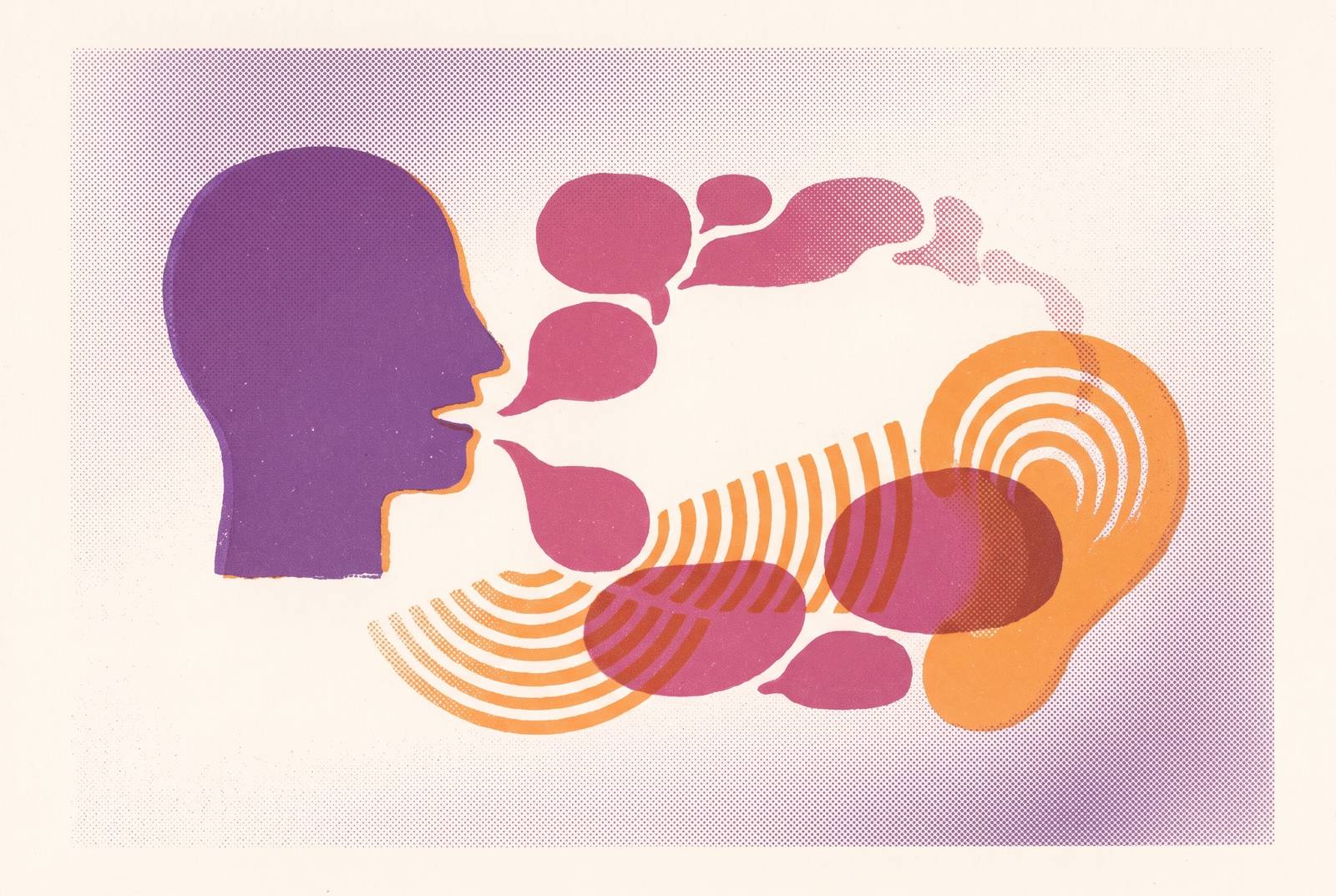
Speaking feelings aloud breaks rumination by naming rather than repeating emotions.
DeShawn Lattimore
AI prompts can guide emotional processing by asking questions that narrative alone cannot answer.
Speaking feelings aloud breaks rumination by naming rather than repeating emotions.
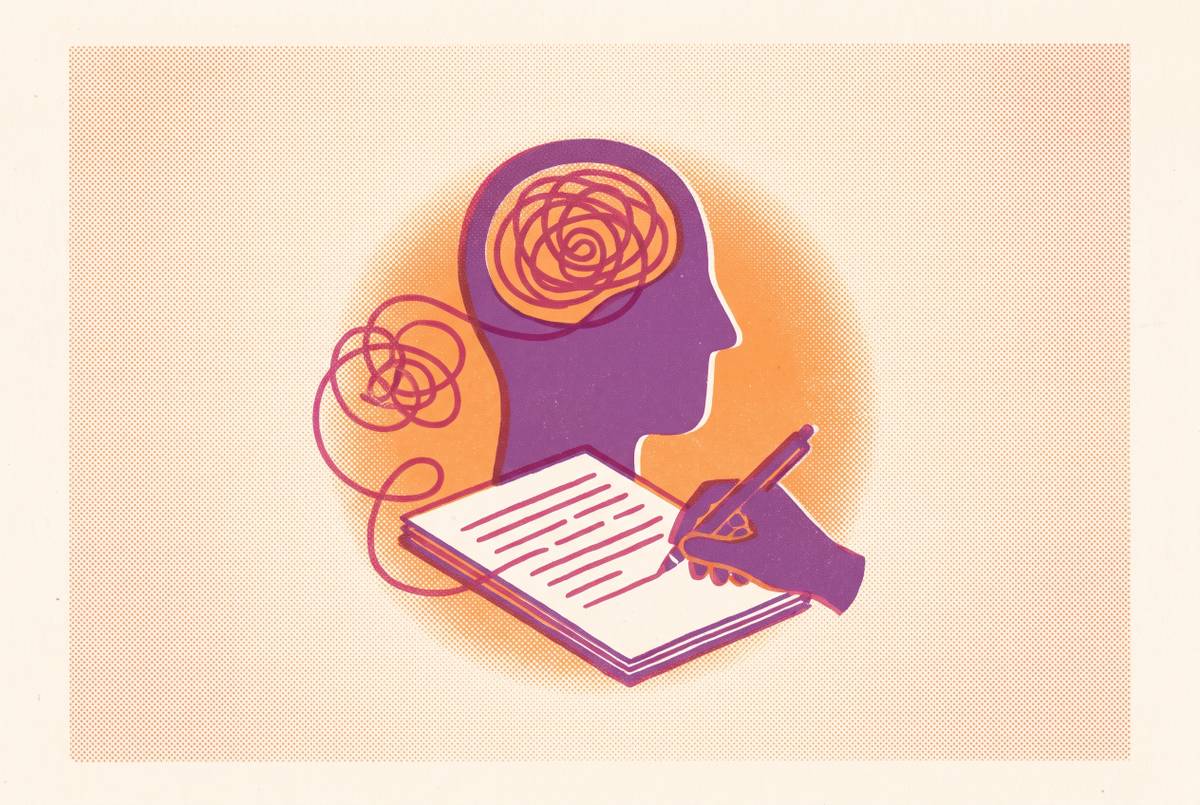
Naming emotions on paper quiets your brain's alarm system and breaks repetitive thought cycles.
The hormonal claims collapsed, but evidence for psychological effects remains contested.
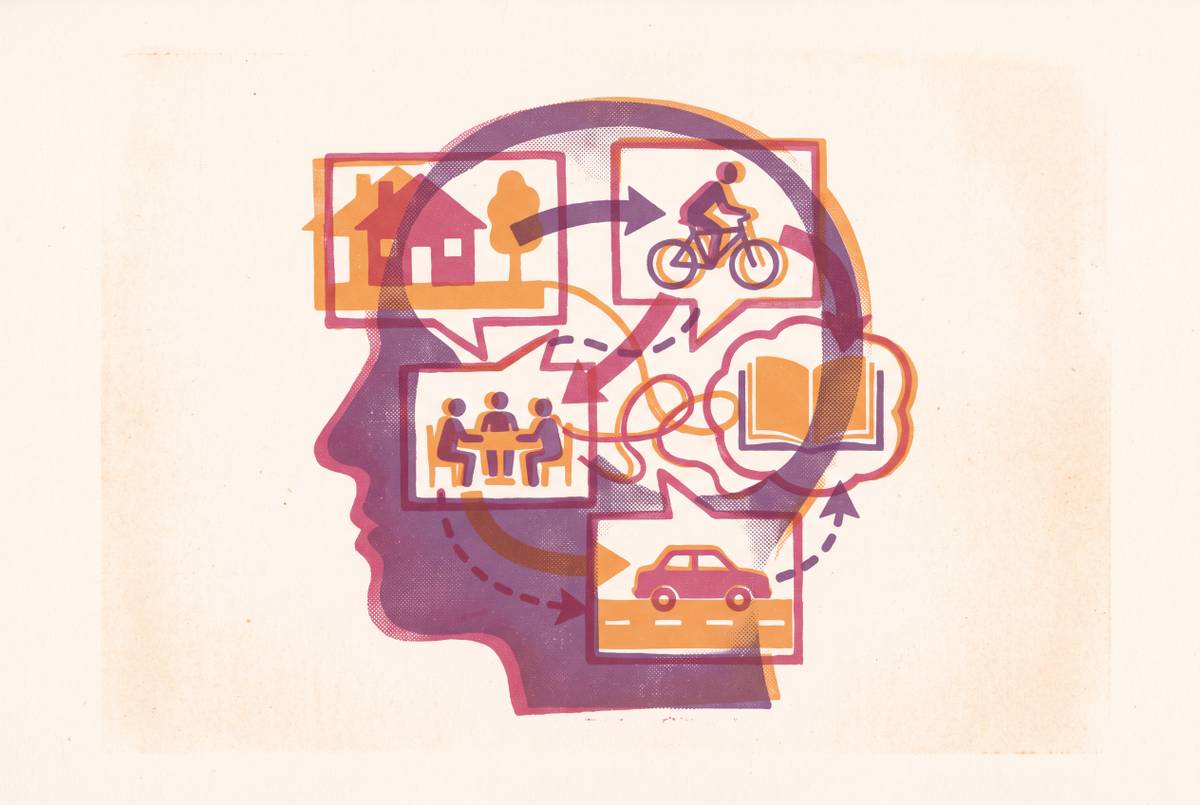
Speaking or moving your feelings into form lets you step back and see them clearly.
AI prompts work best when they turn reflection into the next question that needs answering.
The stages describe grief patterns but shouldn't prescribe how people must grieve.
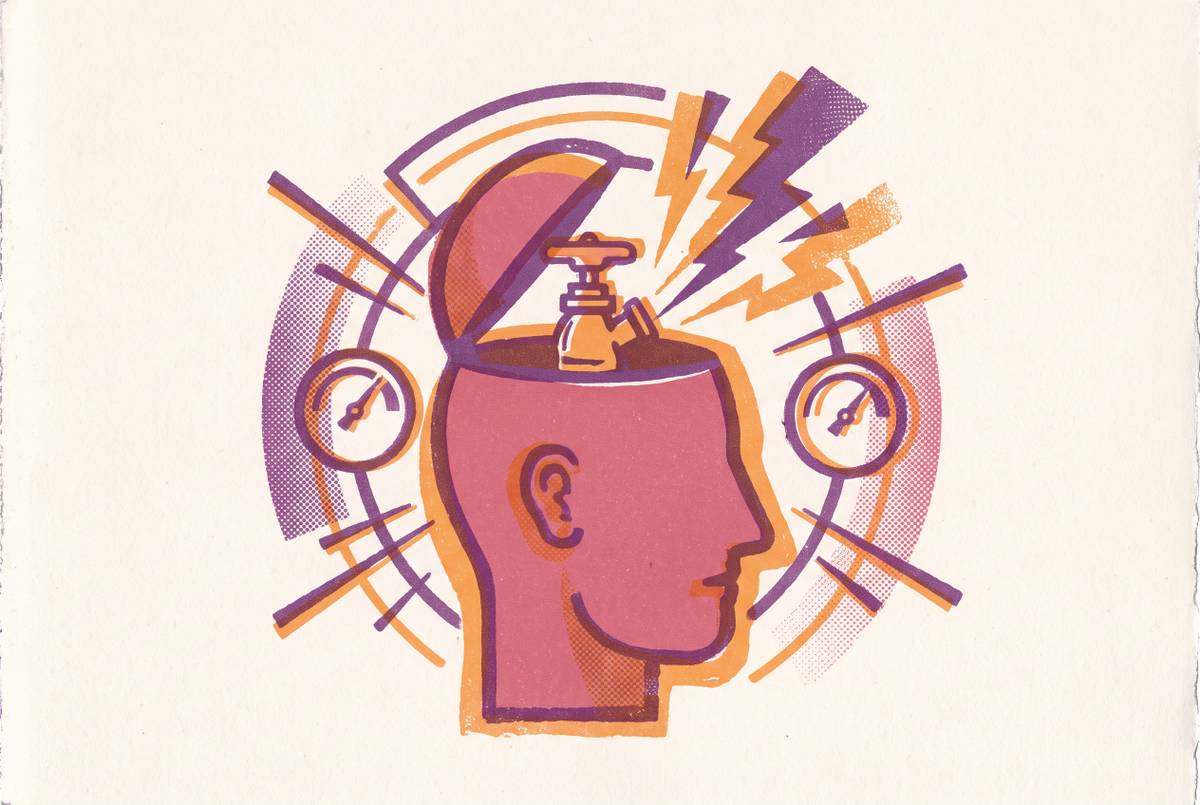
Venting anger usually intensifies it; arousal reduction and structured writing work better.
Specific prompts remove the decision work that stops most people from journaling consistently.
Mindfulness boosts how people feel about their bodies, not how accurately they sense them.
We construct plausible stories about our minds rather than reading them directly.
Confident memories can be completely wrong about where they came from.