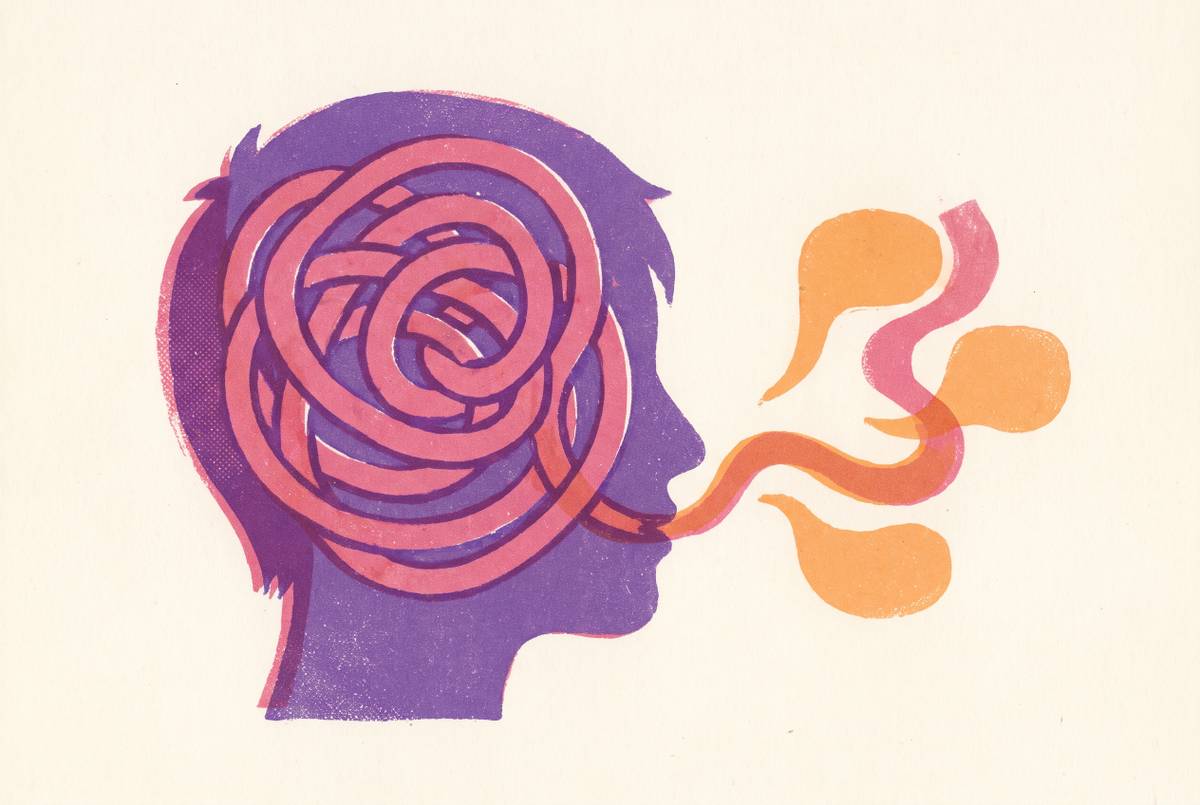
Spoken Emotional Disclosure as an Exit From the Overthinking Loop
Speaking feelings aloud breaks rumination by naming rather than repeating emotions.
DeShawn Lattimore
11 stories
Speaking feelings aloud breaks rumination by naming rather than repeating emotions.
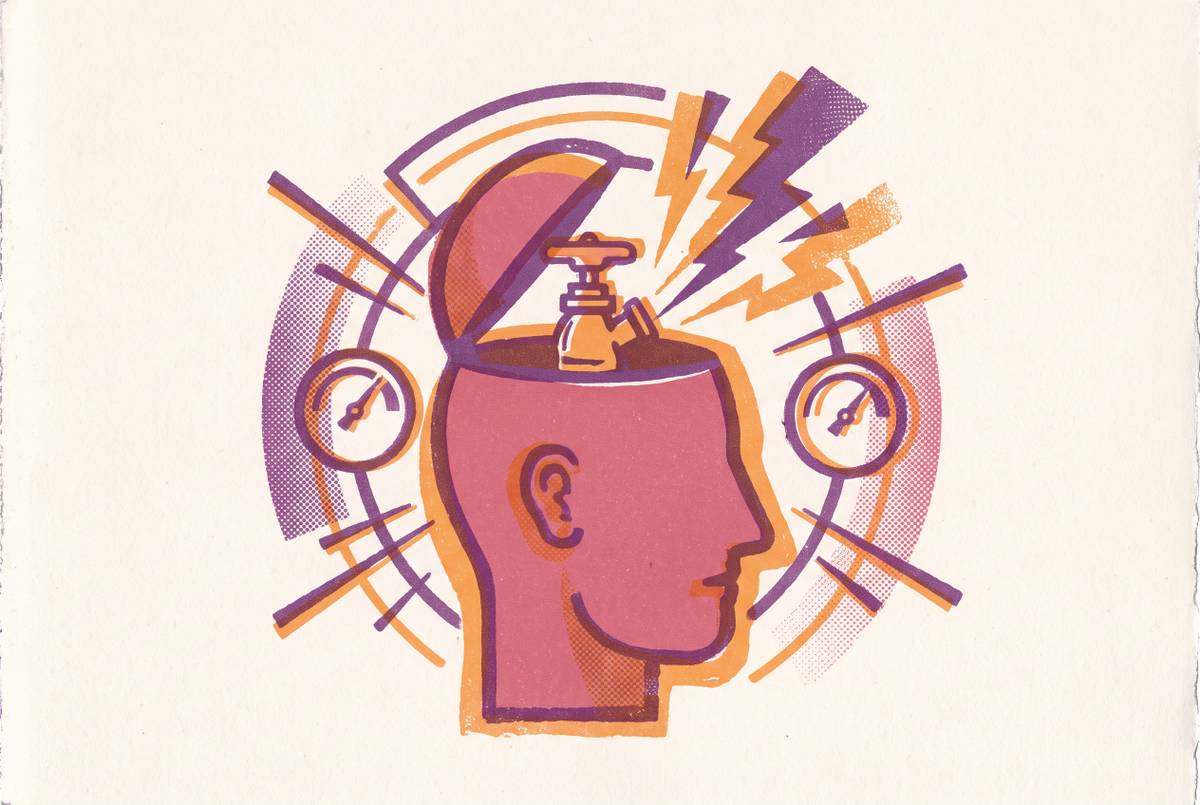
Venting anger usually intensifies it; arousal reduction and structured writing work better.
Mindfulness boosts how people feel about their bodies, not how accurately they sense them.
The self emerges through the stories we tell about our lives, not the fixed traits we inherit.
Treating feedback seeking as a learnable skill unlocks self-awareness.
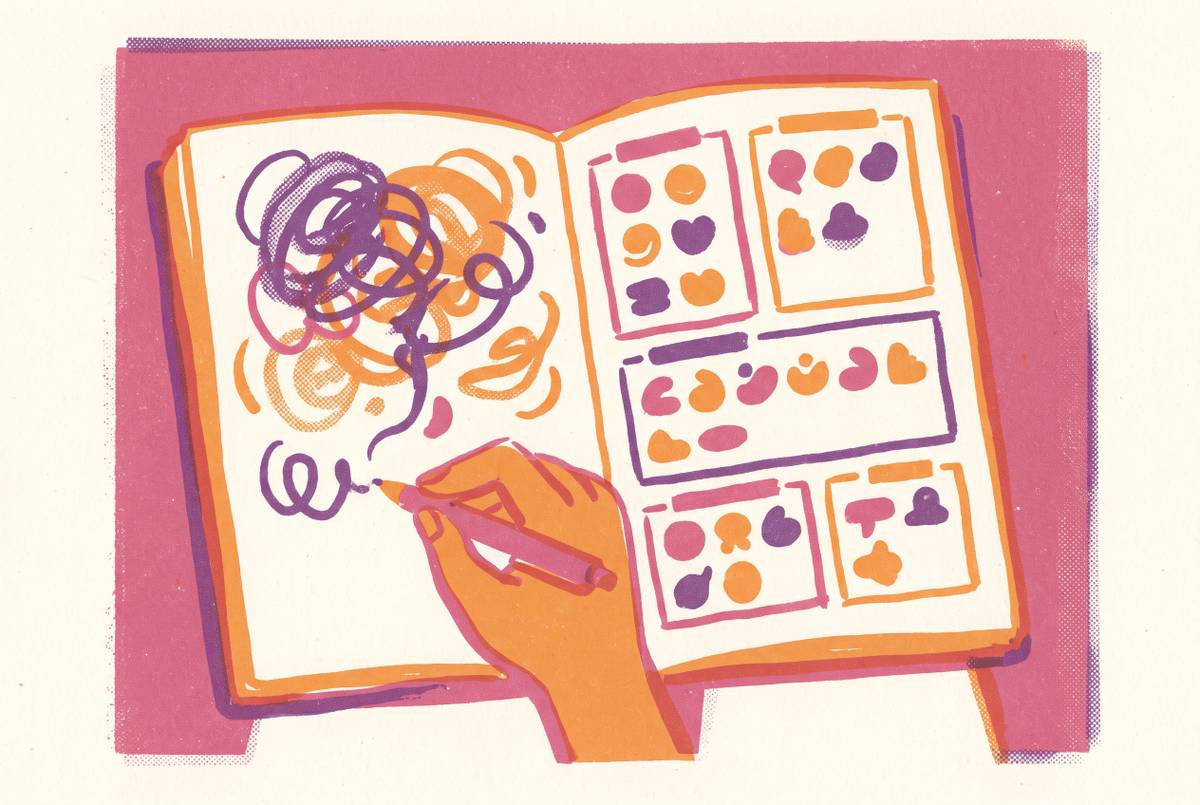
Repeated writing across time reveals patterns invisible in single entries.
The neuroscience of brain change is far more limited than self-help authors claim.
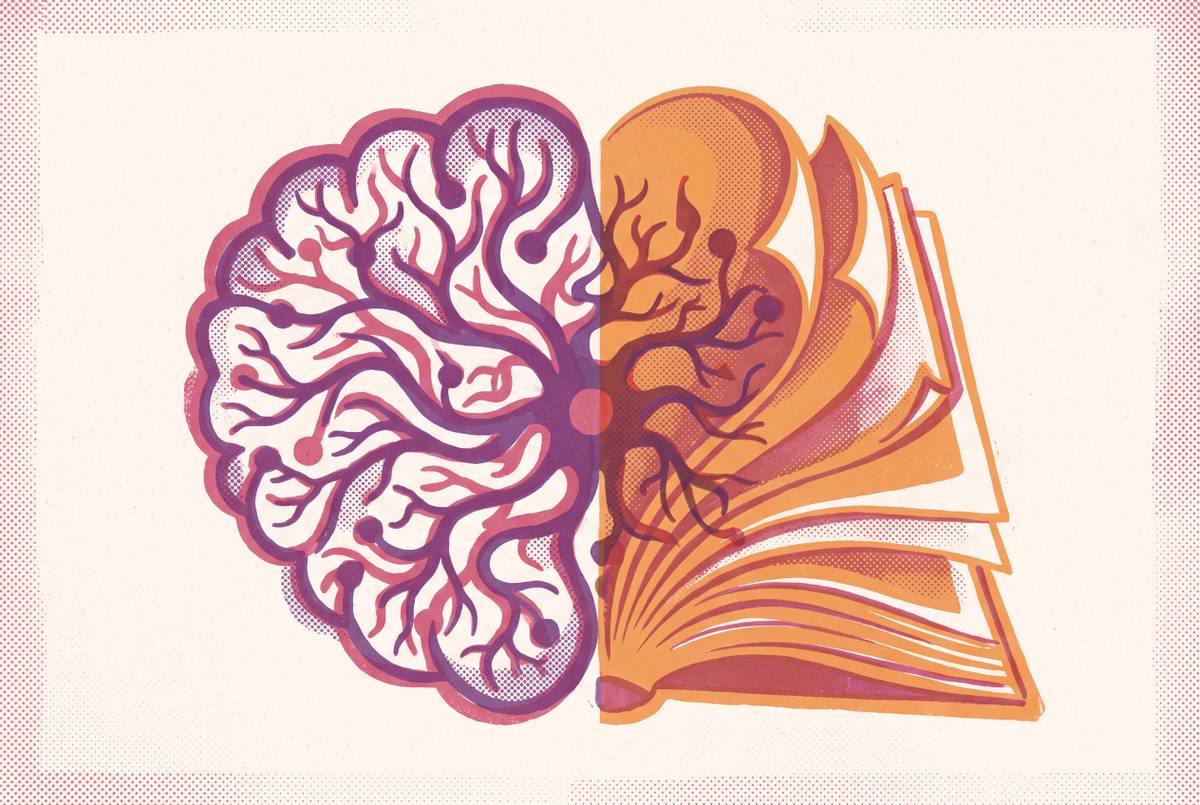
Brain networks across both hemispheres drive creativity, not a fixed right-side trait.
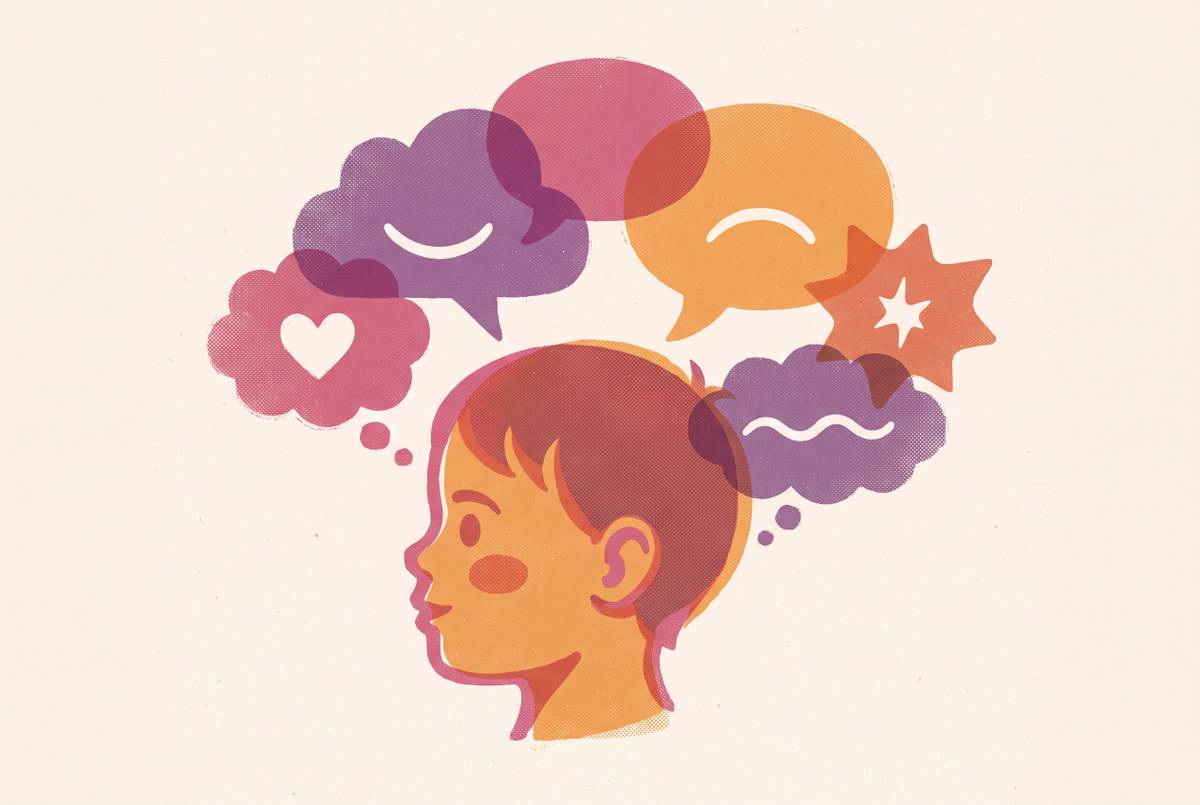
Naming emotions helps children regulate them more than simply experiencing them.
Precise emotional words amplify the brain's downregulation response, but the effect has limits.
Naming emotions precisely, not just venting, calms your brain.